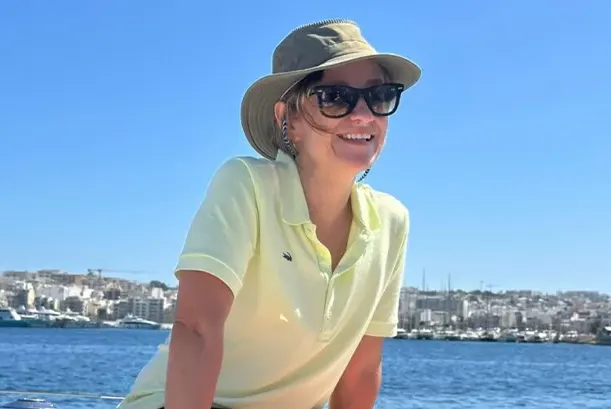
It’s the question we hear more than almost any other, usually phrased with a slightly apologetic edge, as though admitting to zero sailing experience is confessing to something embarrassing: “I’ve genuinely never done this before can I actually learn to sail, or am I going to hold everyone back?”
The short answer is yes, absolutely. Not “yes, technically, if you’re athletic and confident.” Just yes. RYA sailing courses including the ones we run at Prosailing Malta are built from the ground up for people who have never touched a sailing yacht. You don’t need prior experience, a nautical background, or even much of an idea of what the different ropes are called. Here’s what that actually looks like in practice, and what you can realistically expect if you’re starting completely from zero.
The RYA System Is Designed for This Exact Situation
The RYA training scheme exists precisely because sailing looks intimidating from the outside and isn’t, once someone breaks it down properly. The whole structure from your very first course through to advanced skipper qualifications assumes a beginner starting point and builds progressively from there. Nobody arrives already knowing how to sail; the entire system is designed around the fact that everyone starts at zero.
At Prosailing Malta, the true entry point for complete beginners is RYA Start Yachting, a two-day weekend course that asks for nothing beyond enthusiasm and a willingness to get involved. There’s no prerequisite experience, no fitness test, and no expectation that you’ll already understand points of sail or know your bow from your stern. You turn up on the Saturday morning as a blank slate, and by Sunday afternoon you’ve steered a yacht, helped trim sails, taken a turn at the helm, and picked up the basic vocabulary and routines of being useful on a boat.
For people who want to go a little deeper straight away, RYA Competent Crew is also open to complete beginners. It runs over five days rather than two, is assessed continuously rather than through a single exam, and is genuinely built to take someone with zero sailing background and turn them into a capable, confident crew member by the end of the week.
What Your First Day Actually Feels Like
If you’ve never sailed, the mental image you’re carrying into your first day is probably some mix of ropes everywhere, shouted instructions, and a real risk of falling in. The reality is calmer than that, and deliberately so.
Courses for complete beginners start with the basics, not the deep end. You’ll spend early time simply getting comfortable on the boat learning where things are, how to move around safely, and the handful of core terms you’ll actually need before anything else makes sense. Instructors build from there in small, manageable steps: how a sail actually works, how to steer a compass course, how to handle lines without getting your fingers caught, how to communicate clearly with the rest of the crew. Nothing is assumed. Nothing is rushed past because “everyone already knows this.”
By the end of the first day, most complete beginners are surprised by how much has actually sunk in. It’s rarely one overwhelming leap it’s a string of small, achievable steps that add up faster than people expect.
You’re Never Learning Alone
Part of what makes starting from zero manageable is that you’re not figuring it out solo. Every course runs with a qualified instructor actively guiding you through each stage, watching how you’re progressing, and adjusting the pace to match. If something isn’t clicking, a good instructor slows down and explains it a different way rather than moving on regardless.
Group courses add another layer of reassurance: you’re very often sailing alongside other complete beginners, all in the same boat literally and otherwise. Watching someone else attempt their first tack before you try it yourself takes a surprising amount of pressure off, and there’s a real camaraderie that builds over a weekend or a week of everyone learning together. Nobody on a Start Yachting or Competent Crew course is expected to already know what they’re doing. That’s the entire point of the course.
Age, Fitness & Other Common Worries
Beyond experience, the other questions we get most often are about age and fitness and the honest answer is that sailing is far more forgiving on both fronts than people assume. You don’t need to be an athlete. Sailing is about balance, coordination, and technique far more than raw strength, and modern cruising yachts are designed with systems winches, blocks, and well-thought-out rigging that make handling sails manageable without brute force.
As for age, our courses welcome a genuinely wide range of students, from teenagers sailing with family through to retirees ticking off a long-held ambition. What matters more than age or fitness level is a reasonable level of general mobility and a willingness to get stuck in. If you can comfortably manage stairs, walk at a steady pace, and aren’t worried about being outdoors on the water for a full day, you’re almost certainly a good fit.
Why Malta Specifically Suits First-Timers
Malta happens to be an unusually forgiving place to take your very first sailing steps. The Mediterranean climate means reliable, moderate winds for much of the year rather than the unpredictable, gusty conditions that can make early lessons stressful elsewhere. Warm water and generally calm seas around the islands mean the learning curve isn’t fighting against harsh conditions on top of everything else you’re absorbing.
Our base in Gżira adds to that: sheltered harbour water for the early, careful stages of learning, with open sea only minutes away once you’re ready for it. Complete beginners get the calm start they need without losing access to genuine open-water sailing later in the same course.
What Happens After Your First Course
For a lot of complete beginners, the real surprise isn’t that they can manage the course it’s how quickly the “can I actually do this” nerves turn into wanting more. Start Yachting and Competent Crew are entry points, not dead ends. Many of our students move on to Day Skipper once they’ve built a foundation, and some carry on further still, working toward Coastal Skipper or Yachtmaster over subsequent trips.
You don’t need to decide any of that on day one, though. All you need to start is a willingness to show up without experience and let the course do what it’s built to do.
Ready to Try It, Genuinely from Zero?
If the only thing holding you back is worrying, you’ll be the one person on the boat who doesn’t know what they’re doing you won’t be, and it wouldn’t matter if you were. Get in touch with the Prosailing Malta team to find the right beginner course for you, and come find out how far a weekend or a week on the water can actually take you.